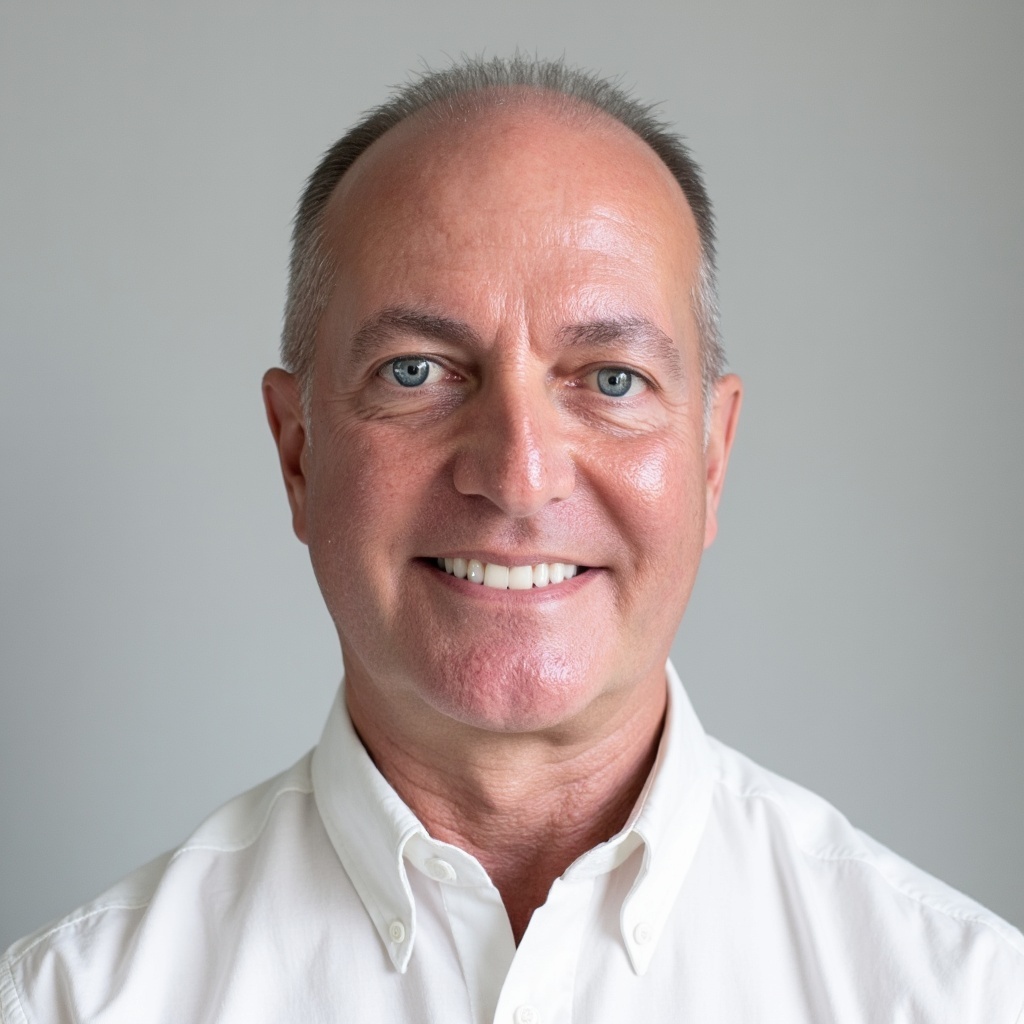
Keith Johnson
Author • Speaker • Leadership Consultant
Keith Johnson has spent his career leading across more functions than most executives touch in an entire career. He has built and run product and engineering organizations, expanded enterprise software businesses into European markets, managed global accounts, and served in chief solutions and chief operating roles across technology and digital health companies. His customers have been organizations building safety-critical systems — medical device companies, automotive programs, aerospace and defense contractors, life sciences firms, financial institutions — where the cost of misalignment between teams isn't a missed deadline but a regulatory failure or a product that harms someone. That context shapes how Keith thinks about leadership and about AI.
What those years made clear is that the hardest problems in complex organizations are almost never technical. They're coordination problems. They're alignment problems. They happen when the people responsible for an outcome don't share a precise enough understanding of what that outcome actually means — and they compound quickly when AI systems are added to the work before that understanding exists. Intent Management™ is Keith's response to that problem: a structured leadership discipline that gives leaders a way to make their intent explicit enough that both humans and AI can act on it consistently.
He now consults through two practices: NextPeak Studio, focused on SaaS product and go-to-market strategy for early-stage and investor-backed companies, and Dolce Consulting, a leadership development and executive coaching practice he leads alongside co-author Rebecca Johnson.
Keith is the author of two books in the Leadership Shift series. Shifting Into Leadership, co-authored with Rebecca Johnson, addresses the transition from individual contributor to team leader. Alignment at Speed: Leading AI-Enabled Teams introduces the Intent Management™ framework and is written for leaders navigating AI adoption in real organizations. He is based in Carlsbad, California.
Schedule a Conversation